When managing a chronic illness, it is important to perform regular check-ins with yourself to assess your mental health and wellbeing. Schedule a weekly time to take an honest look at how you’re feeling, and if you are using a journal to track any symptoms, make note of your experiences.

Create a plan to
take back control
Call the NAMI Helpline at 800-950-6264 or text “NAMI” to 62640
Chronic pain, hospital visits, missed work or school, and financial stress can rob you of energy, motivation and self-esteem. Regain a sense of self by identifying what aspects of your health you can control and actions you can take to improve it.
Your overall mindset is important to your health.
It’s obviously tough to stay positive when you’re in pain or have low energy. Consider what you tell yourself each day, or even just when symptoms are flaring up: are you being hard on yourself because you had to miss work? Are you telling yourself that it’s better to stay home and avoid friends and family, or that things will never improve? Sometimes negative thoughts that happen automatically over time can cause you to feel worse, more anxious, or lead to feelings of guilt. Sickle cell disease is complex, and it requires a combination of approaches and treatments that include self-care – and compassion.
Creating a plan to take charge of your mental health

Start by acknowledging how you're feeling each day
Take a moment to identify and write down concerns or symptoms you’re currently struggling with. Then write down a couple of things you can do today to feel a little better. Don’t set unreasonable goals, simply think about small, easy steps that can help you feel more proactive.
For example:
- How I’m feeling today: I have low energy. My pain is slowly creeping up again and I’m feeling anxious about it.
- What can I do?: I’ll shower and get dressed. After that, maybe a short walk will help me improve a bit.

Next, create a list of things you are good at
Think of activities that you enjoy and help you cope in positive ways. As your list grows, it will provide you with a variety of options you can choose from at any time to help manage your pain or improve your mood. Just the act of organizing your thoughts and identifying strengths and resources can be a step toward putting you in better control of symptoms and mental wellbeing.
For example:
- I love to sing
- My dog always comforts me
- I’m looking forward to watching the playoffs with my friends
- My prayer group inspires me

Jot down a few reasons for why you want to feel better
To help stay focused on your wellness, consider family, personal goals, or other things that motivate you and help you feel more upbeat. This is a list you can continually add to – including successes you’ve experienced along the way.
Even though you may not always feel like being very social, consider sharing your lists and thoughts with a friend or family member. After all, it can be empowering to have someone validate your feelings and help you think of ways to add to your list of strengths.

Connect with others
Social connection provides other benefits to your physical health as well, including for your mood and self-esteem:
- A large research study found that social relationships help you live longer. They’re so important, that not having them is as much a risk to your health as smoking, obesity or being sedentary.
- Social connections help you manage stress and feel more positive, and can help improve memory and cognitive skills.
- Our brains are wired to expect social relationships as a normal aspect of life. If this need isn’t met, it can lead to distress, using the same pattern of brain activity as pain.
The beneficial effect of social support on stress management and overall health has been widely researched. Having the support of peers is an effective way to cope with chronic illness of any kind, and can be key to learning about navigating health options, new resources, or the latest research. It’s often a relief just to have someone to talk to.
Even small acts of self-care can have a big impact on your daily life.
What self-care activity do you find works best for you?
Select the most relevant answer to you, and how that compares to other responses
Stress-busting strategies
Stress is a fact of life. While it can’t be avoided, stress can be managed so it doesn’t become overwhelming and lead to worsening symptoms. To help manage stress and improve your mental health, consider these added strategies in your wellness plan:

Regularly practice relaxation techniques
Training your mind and central nervous system to reduce tension can help you stave off symptoms and improve your response in a crisis.
- Deep breathing can slow down your heart rate, calm your mind and reduce anxiety
- Prayer can help you cope with emotions, create a sense of peace, and be a source of strength
- Gentle stretching and massage can be ways to relax while encouraging circulation

Sleep strategies can improve your ability to relax and rest better
- Develop a sleep routine, keep your room clean and comfortable, and lower the temperature at night.
- Turn off electronics and close curtains to help signal your brain that it’s time to sleep.
- Expose yourself to sunlight first thing in the morning and throughout the day. Not only does it help regulate sleep schedules, sunlight helps your body with vitamin D, an important nutrient for the immune system.

Harness the power of your mind
Optimism, gratitude and a sense of purpose are all associated with cardiovascular benefits.
- Many people find that keeping a gratitude journal helps maintain a more positive mindset. It can be as simple as writing down something you’re thankful for each day.
- Try a new hobby, or practice an established hobby. Focusing on the task at hand takes your mind off of negative thoughts and encourages new neural connections.
- Give back to others. Each struggle is a learning experience, and as you get through it, you gain wisdom and experience that can help someone else cope in healthy ways. Volunteer, become a peer supporter or advocate, or even just make it a point to reach out to someone you think could use encouragement or support.

Practice your faith
- Studies show that people who are involved in religious practice have improved self-management of chronic cardiovascular disease.
- Religious commitment has been as linked to lower hypertension rates as other lifestyle factors.
- Higher levels of spirituality and religious practice are associated with lower levels of depression, suicide, and substance abuse, and have a positive impact on mood and trauma disorders.

Know your limits
Rest and relaxation allow your body to recover from stress, rebuild energy, and heal.
Get ahead of any symptoms by:
- Prioritizing self-care
- Maintaining a consistent sleep schedule
- Keeping track of how you’re feeling physically and mentally
Actively taking care of your pain can help with your mental health – and taking care of your mental health can help with your pain.
The perception of pain can vary from one person to the next, and because pain is a complex condition, it’s treatment is complex as well. And let’s face it, some days are worse than others.
First, it’s important to know that you are not ‘weak’ because your mental health is affected by pain. Pain prompts physical and emotional responses that are real, share pathways within the brain, and are often made more challenging when pain levels change from day to day. The anxiety associated with symptoms, as well as potential trauma from crisis experiences may also worsen mental health. Furthermore, it’s helpful to remember that opioid pain medications act in a way that can add to brain fog and symptoms of depression.
It’s understandable how your mental health can suffer when you experience chronic pain. Yet your mental health can also improve as you manage pain more effectively. The most effective pain control methods take into account mental and physical aspects of the condition, which means a whole-health approach.
In addition to lifestyle strategies, physical therapies have been shown to improve pain, as well as depression and anxiety.
These include:

Massage

Transcutaneous electrical nerve stimulation (TENS)

Guided yoga and audiovisual relaxation

Walking

Strength
training
training

Stretching
exercises
exercises
You may also find that tracking your pain each day can help you get ahead of worsening symptoms by taking action to feel better when symptoms are mild.
Yet, if you feel that symptoms of pain, depression, and anxiety are becoming too difficult, there are options that can help. For example, mental health therapy can include Cognitive Behavioral Therapy for Chronic Pain (CBT-CP), which is an evidence-based treatment designed to reduce the negative effects of pain on your mental health and quality of life.
CBT-CP includes exploring the cognitive side of pain - thoughts, feelings, or expectations about pain that may be preventing you from effectively managing it. This therapy also helps you develop essential skills to respond to pain more productively. It can help improve how well you function day-to-day.
Other forms of talk therapy can also help you reframe how pain affects you, build coping skills, and address mental health symptoms that occur due to managing the pain and challenges that accompany chronic illness.
Peer support, or group support options are also valuable resources that can help you learn more about sickle cell management, local resources, and ideas for new strategies. Just as importantly, these are ways to find and foster support in the sickle cell community.
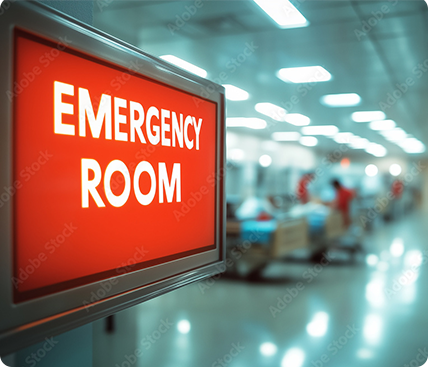
In the emergency room
When a crisis occurs, the emergency department in a hospital can be vital for lifesaving measures. It can also be a significant additional source of stress. It's unfortunate that people with sickle cell disease face the additional burden of educating staff or advocating for themselves in the emergency department, but the fact that it is a rare disease means that many healthcare professionals are unfamiliar with its symptoms and management.
It’s also true that emergency department staff routinely see patients who are struggling with addiction. Pain management practices – including in the emergency room – have become more restrictive due to rates of opioid abuse and overdose. Thus, the differences between its necessity for certain conditions, dependency, and addiction have become less clear. It feels very unfair, and contributes to the stress of accessing treatment in a crisis. However, preparation remains key. While intense pain can make it seem impossible to think or communicate clearly, there are some strategies that can help.



Crisis level pain can be traumatic
Vaso-occlusive crises are life-threatening. This aspect changes how you might feel or react in the moment, and the experience itself can lead to posttraumatic stress symptoms. Trauma directly affects the brain, creating physical and mental responses. Symptoms of trauma might last briefly, or they may linger and contribute to posttraumatic stress disorder (PTSD). Not everyone develops PTSD after a traumatic experience, but it’s still important to address how you feel after a crisis experience.
Symptoms can occur at any age, and usually begin within the first three months after a life-threatening event.
This can include:
- frequently experiencing spontaneous and vivid memories
- recurring nightmares
- intense distress when reminders of the event happen
- isolation from others, or going to great lengths to avoid people or places that remind you of what happened
- experiencing significant problems with your mood, or ability to sleep
- becoming very easily startled
These are all signs that it’s time to reach out for support from a trauma-trained mental health provider.
Stress management is vital to effectively managing sickle cell disease, and the effects of trauma create added stress. When you talk to someone that can help you feel better emotionally, you are also helping yourself feel better physically.
Stress management is vital to effectively managing sickle cell disease, and the effects of trauma create added stress. When you talk to someone that can help you feel better emotionally, you are also helping yourself feel better physically.
A note on post-traumatic growth
It can be difficult to imagine, but trauma can also spur positive psychological change. It can make you rethink priorities, create inner strength, deepen spirituality, and lead to a greater appreciation of life and love for others.
Even if trauma causes personal distress initially, be kind to yourself. It’s normal to feel scared or angry. These moments can offer opportunities to learn, set goals, or find new purpose. You might even discover that your wisdom helps someone else who’s struggling.

Mental health self-check
For example:
Consider times when you feel worse, and what you can do to address it. What helps? What doesn’t help? When you’re thinking about if, when, and how often symptoms occur, remember to also think about ways to add to your list of strengths and coping strategies.

Important signs to watch out for
- Little interest in things you typically enjoy.
- Feeling sadder than usual.
- Mood changes, including anger or strong irritability.
- Sleeping too much or too little.
- Feeling bad about yourself, that you’re a failure or let others down.
- Constantly feeling nervous, restless, or worried.
- Persistent negative thoughts, hopelessness, or that life is out of control.
- Thoughts of dying, killing yourself, or thinking that everyone would be better off without you.
If you are experiencing any of these symptoms, it’s important to seek help. If you feel reluctant to reach out for mental health support, remember this: you’ve been through a lot, and you deserve the opportunity to feel better. Don’t let the stigma associated with seeking treatment stop you from getting the support you need.
There are many options to choose from that can help you regain a sense of control, feel less isolated, and improve your mood: professional support, peer or group support, mental health hotlines and text/chat support, or the National Suicide Hotline at 988.
Seeking professional help
When researching providers in your area, it can be helpful to seek out those who specialize in trauma. They are able to address chronic stress, effects of surviving a crisis, or losing someone to the disease. This kind of support helps you cope with the emotional impact of pain, guilt, grief or loss, so you can heal and build resilience.
Professional mental health support comes in many forms. Look for support from someone that specializes in chronic illness as well as trauma:

Neuropsychologists can assist with how sickle cell disease affects thinking, memory, attention and emotion.

Psychiatrists are licensed doctors who prescribe medications. In some states, psychiatric or mental health nurse practitioners may also prescribe.

Psychologists, counselors, pastoral counselors, and therapists can assist with talk therapy and other therapeutic approaches. Social workers use therapeutic techniques and also help with case management and advocacy.

Peer support specialists, community health workers, and patient advocates can lend an empathetic ear, help with education, resources and advocacy, and build a community of support.
All mental health professionals are bound by strict rules of confidentiality, and are trained to listen and respond without judgment.
When thinking about mental health in the experience of living with sickle cell disease, taking into account how you’re doing psychologically is as critical as managing physical symptoms. Support that helps you feel empowered to navigate your symptoms and experiences can be a valuable tool for your health.

You are strong
You may not realize your strength, but it’s there. You face daily health challenges, struggle with significant pain and bad days, and yet you keep going. It’s a burden not many carry – and yet, you’re not alone.
Even on days when you don’t feel very resilient, each moment you spend caring for your mental and physical health makes you stronger. Remember that setbacks happen to everyone, and especially when dealing with sickle cell disease. It’s challenging and the obstacles are real. Stress, anxiety and depression are also real, but they can be managed.
Even if you don’t feel better immediately, taking action in small ways is still important. Every positive step helps you form routines and habits that create small victories over your symptoms.
It’s not just coping, it’s empowerment.

The NAMI HelpLine is a free, nationwide peer-support service providing information, resource referrals and support. You can also find more information on the different types of mental health professionals here.